RANTHAMBORE - TIGER KINGDOM

It is a paradise for the tiger lovers. One of the best places to watch the big cats in wild. There is no better place than Ranthambore to view this majestic animal in its natural habitat.
The uniqueness of this park is its sparse vegetation - due to dry and hot climate of Rajasthan – it makes tiger spotting easier compared to other dense forest reserves like Corbett National Park.
Unlike Corbett, where the forest is thick and lush, Ranthambore’s open, dry terrain improves your chances of an unforgettable tiger encounter.
BEST TIME TO VISIT

October to March: Perfect weather, comfortable for safaris. The forest is relatively green and pleasant, making it a nice overall travel experience, however, you may not be able to spot the tiger easily.
April to June: Best time for tiger sightings! Yes, it’s hot—really hot—but the tigers tend to gather around waterholes and move through the open, dry and sparse vegetation, making them much easier to spot.
Closed Season: The core zones 1 to 5 are shut during the monsoon—mid-June to mid-October, so plan accordingly, however, the buffer zones 6-10 are open throughout the year.
BEST PLACES TO STAY
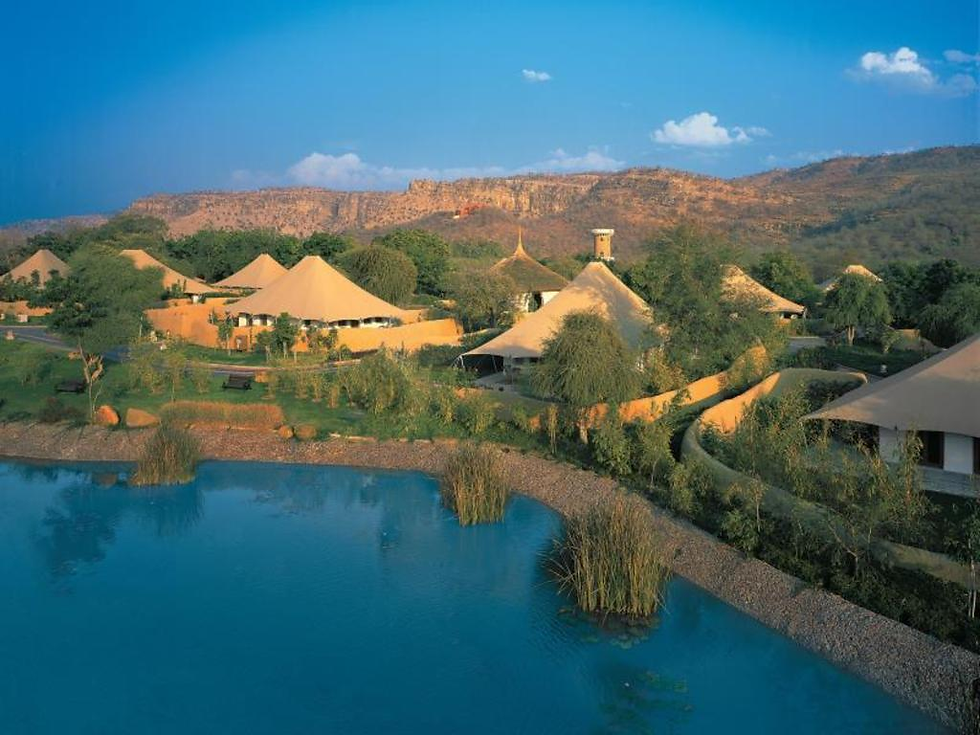
Ranthambore is a small safari driven town.
It has all types of accommodation ranging from luxury resorts to budget hotels. The visitors can make the arrangement for their stay as per their budget. The place boasts of big luxurious resorts like Oberoi Vanya Vilas, Sher Bagh, Six Senses Fort Barwara to Taj hotel resorts and also small budget places as well.
The hotels are easily available and can be booked online on booking.com, expedia, agoda.com etc.

Sawai Madhopur is a small town, so don't expect gourmet restaurants outside of your hotel. Most resorts provide all meals. If you venture out, you'll find quick local eats and roadside stalls for snacks or light meals or you may walk into any of the other hotels to eat.
MAIN POINTS TO REMEMBER

Ranthambore National Park is divided into 10 safari zones, each offering a unique terrain and experience. However, not all zones are created equal when it comes to spotting the elusive tiger!

Core Zones vs Buffer Zones
· Core Zones (1 to 5): These are the most popular zones with higher chances of tiger sightings.
· Buffer Zones (6 to 10): Slightly less frequented by tigers but still offer a great wildlife experience with easier availability and fewer crowds.

Tiger Population & Sightings
· Ranthambore National Park is home to around 70 tigers, according to official estimates.
· However, only 8–10 tigers are frequently seen in Zones 1 to 5 (core zones)—the rest stay deeper inside the forest where visitor access is restricted.
· Zones 6 to 10, while not core zones, occasionally offer tiger sightings too, though the density is lower.
Seasonal Closures & Weekly Off Days
· Zones 1 to 5 (Core Zones) - Closed during monsoon: Mid - June to Mid - October Weekly closure: Every Wednesday
· Zones 6 to 10 (Buffer Zones) - Open all year round
Weekly closure: Every Tuesday
Tip: If you're visiting during monsoon months or mid-week, plan your safari accordingly to avoid disappointment!
Booking Safari Tickets
· Core zone tickets (1 to 5) are in high demand – they sell out quickly, so it's essential to book well in advance.
· Buffer zone tickets (6 to 10) are generally easier to get, even at shorter notice.
Bookings can be done online via official forest department websites or trusted travel platforms.
Tip: When booking in advance, you can request your preferred zone—so it’s worth planning early to snag a good one!
🚙 Safari Vehicle Options - You have two choices for exploring Ranthambore:
Gypsies (Jeeps)
o Seats 6 people
o Comes with 1 driver + 1 guide
o Offers a more personalized experience but expensive if number of persons in your group are less than 6
Canters (Open buses)
o Seats 20 people
o Includes driver + guide
o More budget-friendly and goes everywhere where the Gypsy is frequenting. Advised to book if you are only 2-3 in your group.
Top Ranthambore Safari Zones – What to Expect

Not all zones are the same, and if you’re keen on tiger sightings or exploring diverse terrain, here’s a detailed look at the best core zones (1 to 5) and what makes them unique:
Zone 1 – Thick and lush Forest
· Good zone to spot tigers
· Due to thick jungle tiger spotting is not very good as compared to other zones
· Very rough terrain
· The main tiger to see here is Arrowhead and Sultana

🐅 Zone 2 – Wild & Rugged
· Features a mountainous landscape with slopes and valleys
· Known for occasional black bear and leopard sightings
· Offers a raw, wild feel—perfect for true wildlife lovers
· Washroom Tip: Facilities are available only at the starting point
· Main Tigers to Spot in this zone – Riddhi’s Daughter, Arrowhead with her cubs
🐯 Zone 3 – The Lake Zone – Most Famous Zone
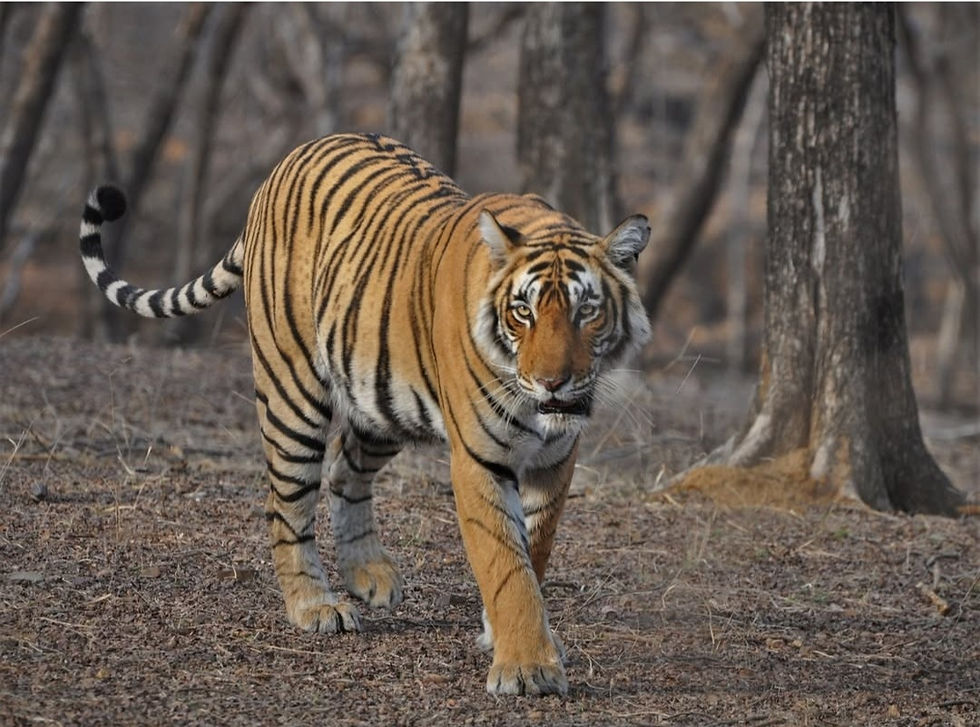

· One of the best zones for tiger sightings
· Flat terrain with a central lake—a hotspot for tiger movement
· Excellent visibility due to sparse vegetation
· A top pick for photographers
· Great chances of tiger sightings near the water
· Washroom Tip: Facilities are only available at the zone entrance
· Main Tigers to lookout for – Riddhi and her 3 cubs
🦅 Zone 4 & 5 – Scenic & Serene

· Share the same entrance point
· Terrain is slightly hilly, offering varied scenery
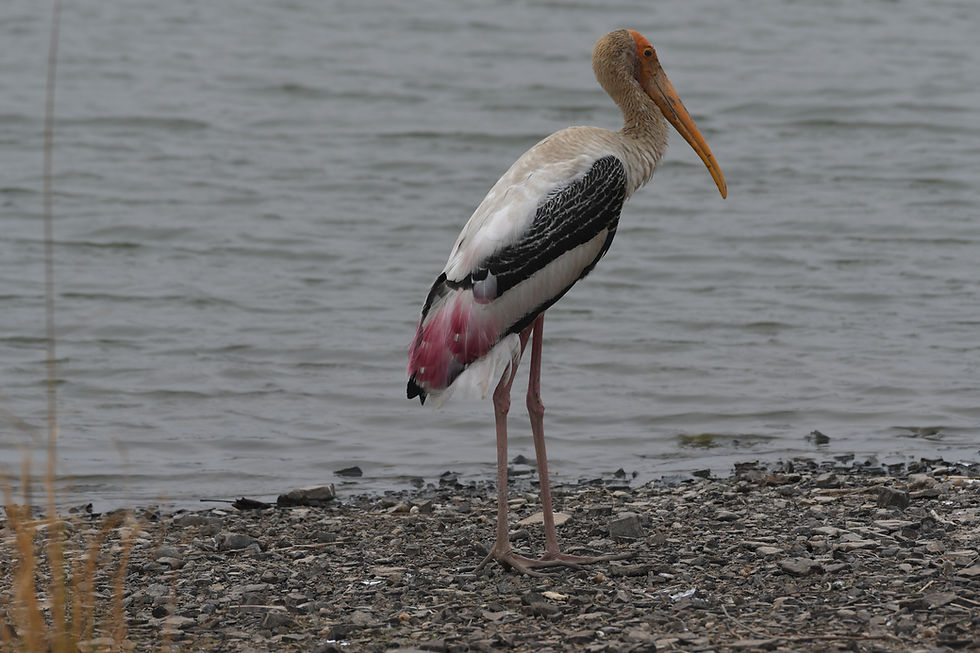
· Zone 4 features a picturesque lake, home to:
o Crocodiles
o Exotic birdlife
o Occasional tiger sightings in the surrounding woods
· Washroom Tip: Facilities are available inside the zone, but farther into the route, so plan accordingly
· Main Tigers dominating these zone – Ganesh and Shakti
Traveler's Pro Tip: If you can choose your zone while booking, opt for Zone 2 or 3 for the best tiger-spotting chances. If you’re a birder or nature lover, Zone 4 offers a peaceful, scenic ride with surprises along the way.
🌿 Wildlife Beyond Tigers for Buffer Zones

· In Zones 6 to 10, you can still spot:
o Sambar deer
o Spotted deer (chital)
o Nilgai (blue bull)
o Occasional leopards
o Tiger spotting is occasional but you may be luck to see them in these zones too.
And honestly, the forest itself is beautiful—lush in winters, golden and sparse in summer, and full of life year-round.
Comfort Tips for Weather Conditions
· Winter Safaris (Oct–Feb):
o Mornings can be freezing cold, especially in the open jeeps and canters.
o Ask your resort guard for a blanket before you head out!
· Rainy Days:
o Seats in jeeps/canters are often wet, since the vehicles are usually parked in the open.
o Ask for a plastic seat cover or umbrella from your hotel/resort staff—they’ll usually have these handy for guests.
Bonus Tip: Night Drive Near the Forest (If You Have Your Own Vehicle)

If you're traveling with your own 4-wheeler, and you're feeling adventurous, here's something off the beaten path:
· Take a night drive on the roads near the forest boundary—especially the quieter stretches around the reserve.
· If you're lucky, you might spot nocturnal wildlife like:
o 🐾 Hyenas
o 🐇 Rabbits
o 🐗 Wild boars
o 🐅 Even the occasional tiger crossing the road!
⚠️ A Few Things to Keep in Mind:
· Stay inside your vehicle at all times—this isn’t a zoo!
· Drive slowly and avoid using bright headlights; use low beams to not disturb the animals.
· Be respectful of forest rules—check with your hotel or local forest officials to make sure you're not entering restricted or patrolled areas.
· For safety, don’t venture too deep or go alone—especially in completely dark stretches.
This can be a magical, unscripted experience, but it’s important to do it responsibly and safely.
OTHER PLACES TO SEE NEAR RANTHAMBORE NATIONAL PARK
1. Ranthambore Fort

Located within the core zone of the National Park.
Accessible by your own vehicle—no special permits or safari jeeps required.
The route to the fort itself is an adventure—you might spot wild animals like deer or monkeys on the way.
Offers panoramic views of the forest and surrounding hills.
Advised to hire a guide for the history of the Fort.
2. Ganesh Temple (inside Ranthambore Fort)

A popular pilgrimage site dedicated to Lord Ganesh.
To reach the temple, you’ll need to climb the steps inside the fort—so wear comfy shoes!
Temple closes around 4 PM, and vehicle entry is restricted after that time, so plan your visit accordingly.
3. Chambal Crocodile Sanctuary


Located about 30 km from Ranthambore, near the Chambal River.
A great add-on for nature and photography lovers.
You can take a boat ride on the river to spot:
Gharials (fish-eating crocodiles)
Mugger crocodiles
Turtles
Plus, a variety of migratory and riverine birds
It’s a peaceful experience and makes for a perfect half-day trip.
Ranthambore National Park is a wildlife lover's paradise. Its one of the best parks to see the tigers in India. India has several Tiger Reserves, but Ranthambore outshines all of them.


Comments